

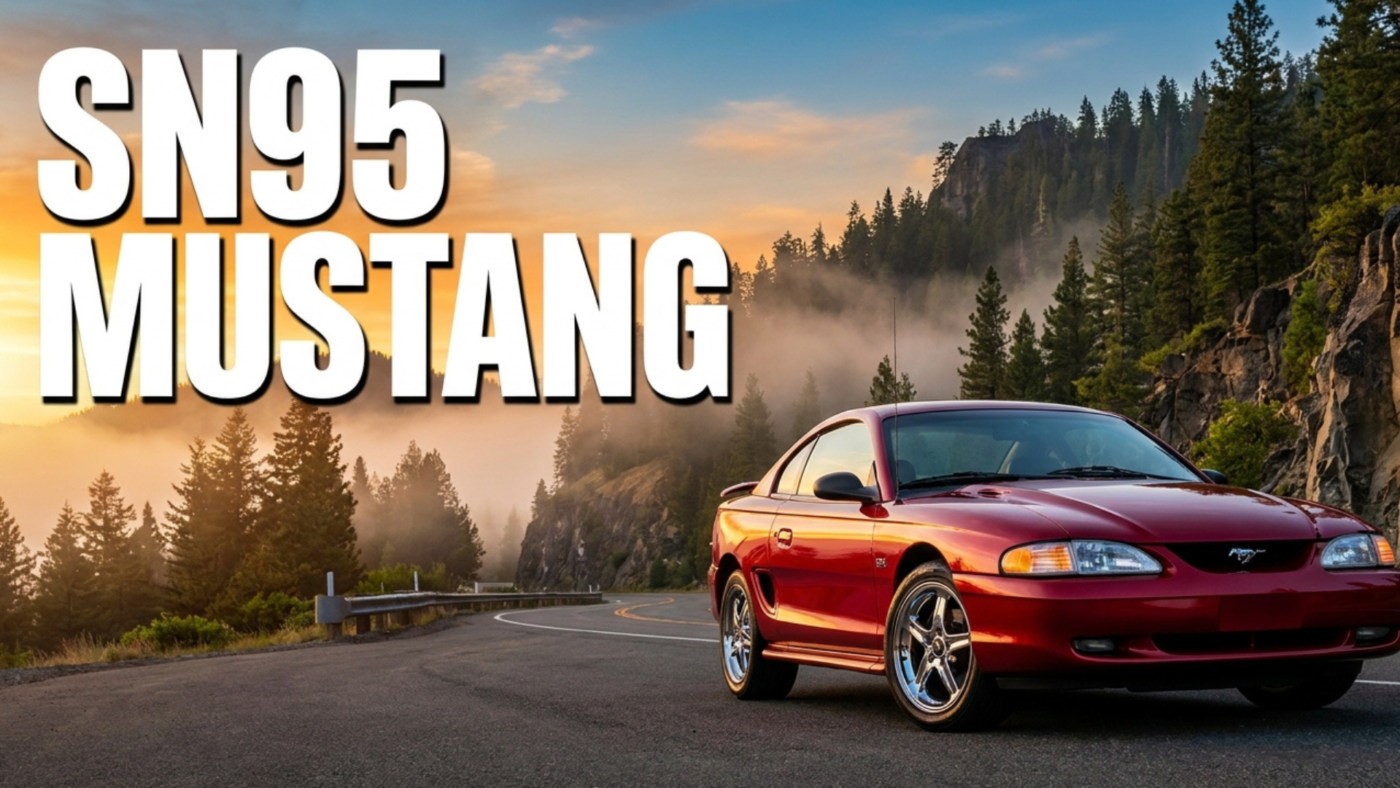
The SN95 Mustang gave Ford’s pony car a modern body, a stronger structure, four-wheel disc brakes on performance models, and several memorable V8 options. Built for the 1994 through 1998 model years, it now attracts drivers seeking an affordable project, weekend cruiser, or entry-level performance car. You might also like Filament Dryer.
Direct answer: The SN95 generation covers the rounded-body Ford Mustangs sold from 1994 through 1998. Buyers could choose a 3.8-liter V6, a 5.0-liter pushrod V8, or one of two 4.6-liter modular V8s. The best purchase is usually a clean, lightly modified example with solid structure and documented maintenance.
| Key fact | Details |
| Model years | 1994–1998 |
| Body styles | Two-door coupe and convertible |
| Layout | Front engine, rear-wheel drive |
| Main engines | 3.8L V6, 5.0L V8, 4.6L SOHC V8, 4.6L DOHC V8 |
| Main trims | Base, GT, GTS, SVT Cobra and Cobra R |
| Successor styling | 1999–2004 New Edge |
| Best suited for | Budget projects, cruising, restoration and grassroots performance |
What Is an SN95 Mustang?
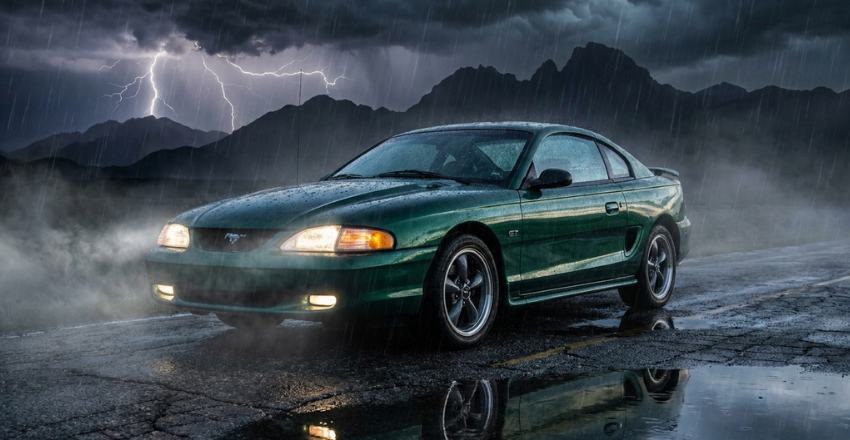
SN95 was Ford’s internal development code for the redesigned fourth-generation Mustang. It replaced the long-running Fox-body design for the 1994 model year.
The car still used an evolved version of the Fox platform, often referred to as Fox-4. Ford changed the body, interior, suspension geometry, brakes, safety equipment, and structural bracing. The result felt more refined than the outgoing car while retaining rear-wheel drive and familiar Mustang proportions.
Enthusiasts usually reserve the SN95 label for the rounded 1994–1998 cars. The 1999–2004 models share much of the underlying platform, but their sharper styling earned the separate “New Edge” name.
Model Years and Engine Choices
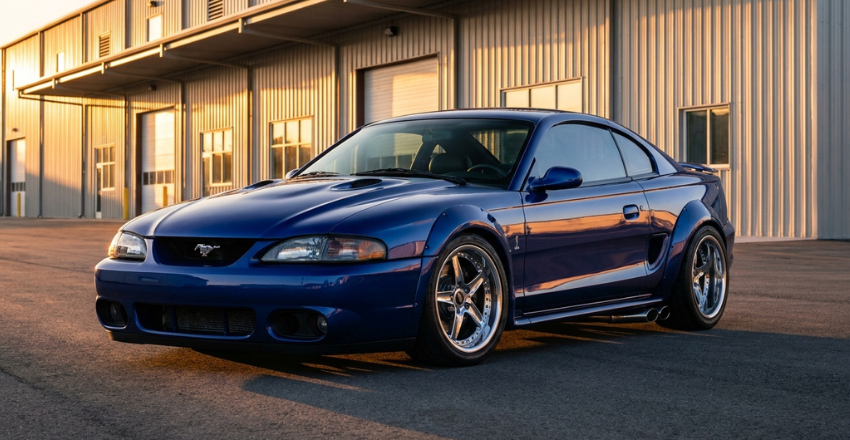
Engine selection changed considerably during the five-year production run. Understanding those changes makes it easier to choose the right car and avoid buying parts that won’t fit.
3.8-Liter V6
The base engine was a 3.8-liter overhead-valve V6. It produced about 145 horsepower in most applications and was available with either a manual or an automatic transmission.
A V6 car can work well as an inexpensive cruiser or first project. Purchase prices may be lower, and many chassis or suspension upgrades also fit V8 models. It isn’t the ideal starting point when strong straight-line performance is the main goal.
5.0-Liter Windsor V8
Ford offered the familiar pushrod 5.0-liter V8 in the 1994 and 1995 GT. Factory output was 215 horsepower and 285 pound-feet of torque.
These two years appeal to owners who value simple pushrod construction and broad aftermarket support. The engine’s long history also makes technical information and replacement parts easier to find.
The 1994–1995 Cobra used a stronger version of the same basic engine. Ford rated it at 240 horsepower.
4.6-Liter SOHC V8
For 1996, the Mustang GT received Ford’s 4.6-liter single-overhead-cam modular V8. It initially matched the earlier GT’s 215-horsepower rating. Output rose to 225 horsepower for 1998.
The modular engine delivers power differently from the 5.0. It prefers engine speed and feels smoother, while the older pushrod motor offers a more immediate low-rpm character.
4.6-Liter DOHC Cobra V8
The 1996–1998 SVT Cobra used an aluminum-block, dual-overhead-cam 4.6-liter V8. Ford rated it at 305 horsepower and paired it with a five-speed manual transmission.
This model offers the strongest regular-production performance in the rounded-body generation. Clean examples often cost more than a standard GT because of their engine, brakes, equipment, and SVT status.
Which Year Should You Buy?
There isn’t one correct year for every buyer. Your mechanical preferences, budget, and planned use should guide the choice.
| Model | Main advantage | Main drawback | Best for |
| 1994–1995 GT | Traditional 5.0L V8 and large aftermarket | Older electronics and age-related wear | Pushrod fans and home mechanics |
| 1996–1997 GT | Modular V8 and OBD-II diagnostics | Modest factory power | Affordable cruising projects |
| 1998 GT | Highest-rated SOHC output in this body | Clean cars can command more money | Buyers wanting the strongest standard GT |
| 1994–1995 Cobra | Upgraded 5.0L engine and SVT equipment | Scarcer parts and higher purchase cost | Collectors who prefer pushrod power |
| 1996–1998 Cobra | 305-hp DOHC V8 | More complex engine and higher repair costs | Performance-focused buyers |
A clean GT is often the practical choice. It gives you V8 sound, strong parts support, and lower ownership risk than a neglected Cobra.
Condition matters more than the badge. A maintained V6 or GT can be a better purchase than a modified performance model with accident damage, electrical faults, or poor repairs.
Common Problems to Inspect Before Buying
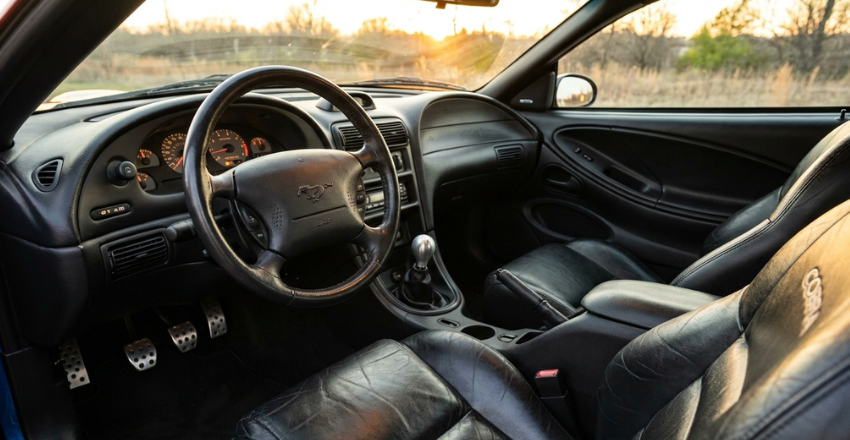
Cars from this period are now approaching or exceeding three decades of use. Age, previous modifications, storage conditions, and driving history often matter more than mileage.
Rust and Structural Damage
Inspect the floor pans, trunk floor, strut towers, frame rails, wheel wells, cowl area, and door mounting points. Look for bubbling paint, fresh undercoating, distorted seams, and mismatched welds.
Pay close attention to the rear torque-box area on cars that have seen hard launches or drag racing. Cracks, rust, or separation around suspension mounting points may require significant repair. A professional pre-purchase inspection is sensible when you find questionable corrosion or accident repairs.
Transmission and Clutch Wear
During a manual-transmission test drive, shift through every gear under light and moderate load. Grinding, resistance, jumping out of gear, or loud bearing noise can point to internal wear.
Check clutch engagement and pedal movement. A stiff, rough, or inconsistent pedal may indicate a worn cable, quadrant, fork, or related hardware. Earlier T-5 cars can also develop wear around the input-shaft bearing retainer.
Automatic cars should shift cleanly without slipping, harsh engagement, delayed movement, or torque-converter shudder.
Oil and Coolant Leaks
Inspect the rear main seal area, valve covers, oil pan, transmission, and differential. A wet bellhousing can indicate engine or transmission leakage.
On 4.6-liter cars, inspect the intake area and cooling system carefully. Ask whether the intake manifold has been replaced and whether the cooling system has received regular service. Any overheating history deserves caution. Confirm that the electric fan operates and that the coolant looks clean.
Suspension, Steering, and Brakes
Worn bushings, ball joints, tie-rod ends, shocks, struts, wheel bearings, and motor mounts can make the car feel loose or noisy.
Uneven tire wear may suggest poor alignment, worn suspension parts, or previous collision damage. During the test drive, listen for clunks and note whether the steering returns to center.
GT and Cobra models received four-wheel disc brakes. Check for vibration, pulling, leaking calipers, damaged hoses, and an illuminated ABS warning light.
Poorly Installed Modifications
Modifications aren’t automatically a problem. Installation quality matters. Inspect aftermarket wiring, fuel-system changes, lowered suspension, exhaust work, engine tuning, and added gauges. Loose wiring, household connectors, cut harnesses, missing emissions equipment, or poorly routed fuel lines are strong warning signs.
Request receipts and tuning records. A mostly stock car with maintenance documentation is often easier to assess than a heavily altered example.
Is It a Good Project Car?

The SN95 Mustang remains a useful project platform because the design is simple by modern standards and aftermarket support is broad. Owners can build a comfortable street cruiser, a drag car, a road-course project, or a period-correct restoration.
Start with maintenance rather than horsepower. Replace unsafe tires, worn brakes, damaged suspension parts, old fluids, and failed cooling-system components first.
A sensible upgrade order is:
- Complete all overdue maintenance.
- Repair rust and structural damage.
- Install quality tires and refresh the brakes.
- Replace worn suspension bushings, shocks, and struts.
- Add subframe connectors where appropriate.
- Choose rear gearing, intake, exhaust, or engine work based on the final use.
This order improves reliability and makes later performance changes easier to evaluate.
SN95 Versus New Edge
The rounded 1994–1998 car and the 1999–2004 New Edge share much of their basic architecture. Their exterior panels, lighting, trim, and many interior parts differ.
New Edge cars have sharper body lines and later engine calibrations. Some later versions also offer factory performance packages unavailable on the earlier body.
Buy the rounded model when you prefer its styling, want a 1994–1995 pushrod 5.0, or find a better-maintained example. Choose a New Edge when later styling, newer factory equipment, or specific models such as the Mach 1 or supercharged Cobra matter more.
Final Buying Checklist
Before handing over payment, confirm the following:
- The title and vehicle identification number match.
- The engine starts cold without smoke or heavy knocking.
- The cooling fan works, and the temperature remains stable.
- Every transmission gear operates correctly.
- The floor, strut towers, frame rails, and torque boxes are solid.
- The tires wear evenly.
- The brakes stop straight without vibration.
- Warning lights illuminate during startup and then switch off.
- Modifications have been installed safely.
- Maintenance and repair records support the seller’s claims.
Arrange an inspection by a qualified mechanic when you can’t verify these points yourself. The inspection cost is small compared with structural repair, transmission work, or a replacement engine.
For more automotive and technology coverage, visit the Techixia technology section. You can also read about Techixia or contact the editorial team with topic suggestions.
Frequently Asked Questions
The name normally refers to the rounded 1994 through 1998 Mustang. Although 1999–2004 cars use a related architecture, enthusiasts and parts suppliers usually refer to them as New Edge models.
The 5.0 is often easier and cheaper to modify with traditional parts. The 4.6 offers a newer engine design and smoother high-rpm operation. The better option depends on your budget, skills, and power goal.
A maintained car can provide dependable service. Most current problems stem from age, neglected maintenance, corrosion, worn suspension components, and poor modifications rather than a single universal design failure.
A Cobra can be worthwhile when you want its stronger engine, brakes, equipment, and collector appeal. A clean GT remains the more economical choice for a street project.
Start with tires, brakes, cooling, fluids, suspension wear, and structural repairs. Add power only after the chassis and drivetrain are healthy.
Original GTs, Cobras, Cobra Rs, special editions, and unusually clean low-mileage cars attract the most collector interest. Condition, originality, documentation, specification, and color can influence desirability more than model year alone.