

The GR86 Hakone Edition is a limited 2025 Toyota sports coupe based on the Premium trim. It pairs Ridge Green paint and bronze wheels with Brembo brakes, SACHS dampers, and a tan-trimmed cabin. Toyota produced only 860 examples for the United States, making it much harder to find than a standard model.
| Key fact | GR86 Hakone specification |
| Model year | 2025 |
| U.S. production | 860 units |
| Engine | 2.4-liter naturally aspirated boxer four-cylinder |
| Output | 228 horsepower and 184 lb-ft of torque |
| Drivetrain | Rear-wheel drive |
| Transmissions | Six-speed manual or six-speed automatic |
| Performance equipment | Brembo brakes and SACHS dampers |
| Exterior color | Ridge Green |
| Wheels | 18-inch satin-bronze alloy wheels |
| Original starting price | About $36,400 |
| Seating | Four, with limited rear-seat space |
Key takeaways
- It doesn’t receive more engine power than a regular 2025 model.
- Its main appeal comes from its rarity, design, and standard-performance hardware.
- The manual is the stronger choice for drivers seeking the most engaging experience.
- A Premium trim with the Performance Package offers similar mechanical benefits.
- Paying a large collector markup is difficult to justify unless rarity matters to you.
What Is the GR86 Hakone Edition?
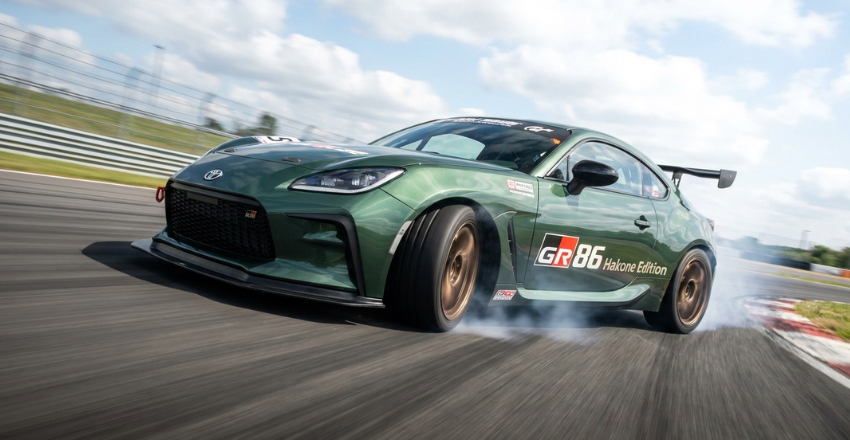
Toyota created the special model as a tribute to the Hakone Turnpike, a famous driving road southwest of Tokyo. The company had used the Hakone name before on the 2020 Toyota 86. The modern version follows a similar formula. It combines deep green bodywork, bronze wheels and tan cabin accents. These colors give the small coupe a more classic appearance than brighter special editions.
Underneath, it remains a lightweight, front-engine, rear-wheel-drive sports car. It was built for drivers who value steering response, balance and accessible performance over headline horsepower.
Toyota based the model on the Premium grade. That means it already includes features such as heated Ultrasuede-trimmed seats, an eight-speaker audio system and 18-inch wheels. The special package then adds unique styling, performance equipment and identifying details.
GR86 Hakone Edition Specs and Performance
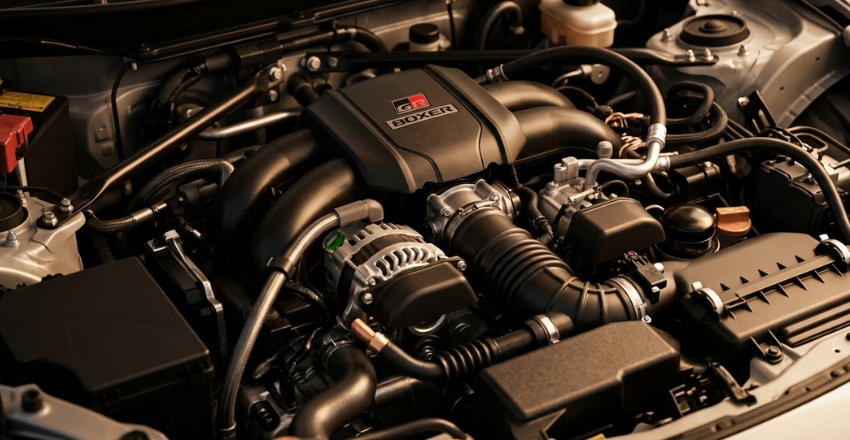
The car uses Toyota’s familiar 2.4-liter, horizontally opposed four-cylinder engine. It produces 228 horsepower at 7,000 rpm and 184 lb-ft of torque at 3,700 rpm.
Buyers could choose between:
- A six-speed manual transmission
- A six-speed electronically controlled automatic
- Steering-wheel-mounted paddle shifters with the automatic
Both versions send power to the rear wheels through a standard Torsen limited-slip differential.
Toyota quoted a zero-to-60-mph time of 6.1 seconds for the manual. The automatic required about 6.6 seconds. Independent testing of other second-generation manual models has produced quicker results, but conditions and testing methods vary.
The engine is not the main reason to buy this version. It makes the same output as the rest of the 2025 lineup. Its value lies in how the car changes direction, communicates grip, and responds to driver inputs.
What Makes the Hakone Different?

Several details separate it from a regular Premium model.
Ridge Green paint
Ridge Green is the car’s defining feature. The dark finish changes noticeably under different lighting and works well with the bronze exterior details.
It also connects the 2025 version to the green-painted 2020 Hakone model.
Satin-bronze wheels
Toyota fitted 18-inch satin-bronze alloy wheels. Their finish creates a clear contrast with the green bodywork and red brake calipers.
The car also receives a color-matched ducktail rear spoiler, black exterior accents and dedicated badging.
Tan-trimmed interior
Inside, the sport seats combine Ultrasuede material with tan leather trim and stitching. Bronze accents appear on the special shift knob, while a numbered plaque identifies the limited model.
Toyota also supplied smaller ownership details, including a matching key glove and leather-covered document folio. These touches don’t affect performance, but they make the cabin feel distinct from a standard black interior.
Brembo brakes
Brembo four-piston front and two-piston rear calipers are fitted as standard. Toyota paired them with larger ventilated rotors.
The upgraded system can provide better heat management during repeated hard braking. That matters more on a mountain road or racetrack than during routine commuting.
SACHS dampers
SACHS performance dampers are also standard. They’re designed to improve body control while maintaining usable ride quality.
These components don’t transform the car into a much faster machine. They refine a chassis that already has sharp steering and predictable rear-wheel-drive handling.
Does It Have More Horsepower?
No. The special model has the same 228-horsepower engine as the Base and Premium trims.
Toyota focused its changes on steering calibration, throttle response, dampers, brakes and appearance. Most of the steering and throttle revisions also applied to the wider 2025 range.
That distinction matters when comparing used listings. A seller may describe the car as a higher-performance version, but it doesn’t have an exclusive engine tune, turbocharger or power increase.
Its advantages are better suited to drivers who care about braking consistency, chassis control and factory-backed rarity.
Price and Availability
The special model originally started at roughly $36,400 in the United States, depending on the transmission and listed destination charges. Contemporary pricing sources placed it close to $36,370 or $36,405. Toyota limited U.S. production to 860 units. That small number led to tight availability and, in some cases, dealer markups.
Today, buyers are more likely to find one through used-car listings than through new inventory. Condition, mileage, transmission choice and service history can affect the asking price.
Rarity alone doesn’t guarantee appreciation. A limited production run may support demand, but future values also depend on mileage, originality, accident history and the broader sports-car market.
Before paying a premium, compare the asking price with:
- A standard Premium model
- A Premium model fitted with the Performance Package
- The mechanically related Subaru BRZ
- A Mazda MX-5 Miata
- Newer GR86 special editions
The current Toyota range has already moved on to other limited colors and trims. For example, the 2026 lineup replaced Hakone with the Yuzu Edition. Toyota’s current standard coupe still uses the same basic 228-horsepower, rear-wheel-drive formula.
Manual or Automatic: Which Is Better?
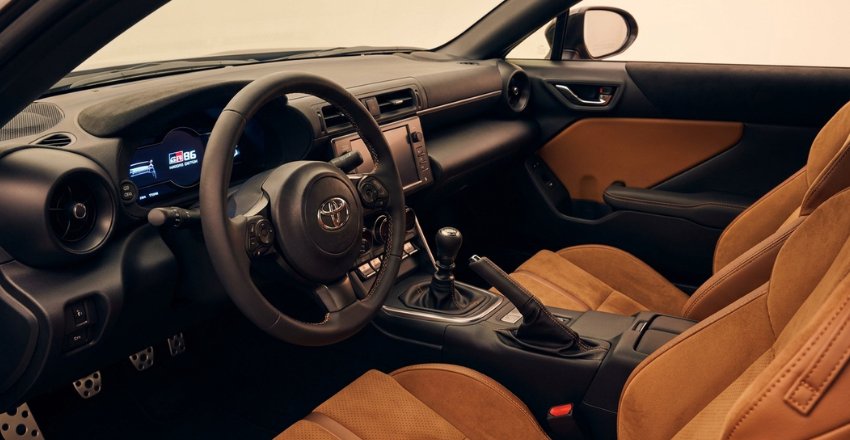
The six-speed manual is the more natural match for this car’s purpose. It gives the driver more control over the engine and makes ordinary roads feel more involving. The manual version is also quicker in Toyota’s published acceleration figures.
Choose the automatic when daily traffic, shared drivers, or physical accessibility makes two-pedal driving more practical. It still includes paddle shifters and a limited-slip differential.
Neither choice is inherently wrong. The better option depends on how the car will be used. For long-term enthusiast demand, the manual may prove easier to sell because it fits the character of a lightweight, naturally aspirated coupe. That is a market tendency rather than a guaranteed investment outcome.
Is It Practical Enough for Daily Driving?
The front seats provide a low driving position and reasonable space for adults. The rear seats are much less useful for passengers. They work better as extra storage or for short trips with smaller occupants.
Cargo capacity is about 6.3 cubic feet with the seats in place. The folding rear seatback expands the usable area and can accommodate luggage, groceries, or track-day equipment.
Other daily-use features include:
- An eight-inch touchscreen
- Apple CarPlay and Android Auto
- Heated front seats
- Automatic climate control
- A digital gauge cluster
- Keyless entry and push-button start
The tradeoffs are road noise, a firm ride, limited rear access and modest cargo space. It can serve as a daily car, but it won’t replace a hatchback for most households.
Manual models were rated around 20 mpg city and 27 mpg highway. Automatic versions were rated at approximately 21 mpg city and 31 mpg highway.
Pros and Cons
| Pros | Cons |
| Distinctive green-and-bronze design | No additional horsepower |
| Only 860 U.S. examples | Used examples may carry markups |
| Brembo brakes fitted as standard | Rear seats are cramped |
| SACHS performance dampers | Small trunk |
| Manual and automatic choices | Firm, noisy compared with ordinary coupes |
| Strong enthusiast appeal | Similar hardware was available elsewhere |
Is the GR86 Hakone Edition Worth Buying?
It’s worth considering when you want the color combination, factory rarity and performance hardware in one package. A clean manual example at a sensible price is the most compelling version. It combines the limited-edition design with the transmission that best suits the chassis.
It becomes a weaker value when a seller asks far more than the price of a comparable Premium model. The Performance Package gave other cars similar Brembo and SACHS hardware, so the driving difference may not justify a major premium.
The best buyer is someone who already wants this generation of Toyota’s rear-wheel-drive coupe and views the visual details as essential.
A shopper who only wants the driving experience should compare standard models first. You may get nearly the same performance for less money.
For more plain-language coverage of technology and product decisions, visit Techixia’s technology section or read how Techixia researches its guides. Questions or correction requests can be submitted through the Techixia contact page.
The Bottom Line
The 2025 special edition succeeds because it doesn’t interfere with the qualities that make Toyota’s small coupe appealing. It remains light, rear-wheel drive and focused on driver involvement.
Its green paint, bronze wheels and tan-trimmed cabin give it a clear identity. The upgraded brakes and dampers add useful hardware rather than cosmetic badges alone. Buy it when the specification feels special enough to justify the asking price. Otherwise, a well-priced Premium model can deliver nearly the same experience.
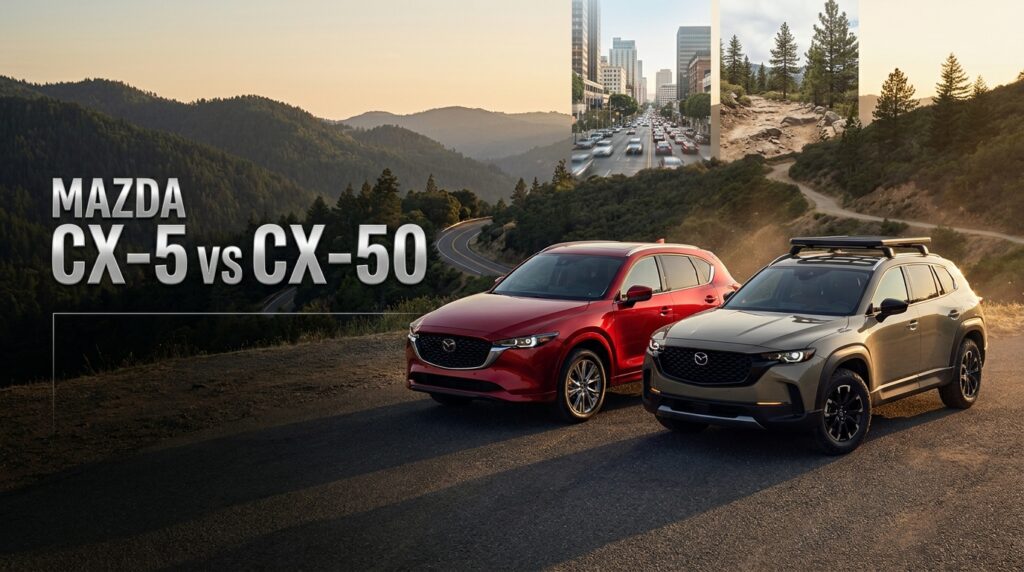
If you want to know about Mazda CX-5 vs CX-50 then visit our Technology category.
Frequently Asked Questions
Toyota produced 860 units for the United States for the 2025 model year. Other markets received separate allocations, so the figure of 860 should not be treated as worldwide production.
Its original U.S. starting price was approximately $36,400 before taxes and optional accessories. Used-market prices now vary by mileage, transmission, condition, and seller demand.
No. It uses a naturally aspirated 2.4-liter boxer engine with 228 horsepower and 184 lb-ft of torque.
It doesn’t have more engine power. Its Brembo brakes, SACHS dampers and calibration changes may improve control, but straight-line acceleration is broadly similar.
It comes in Ridge Green with satin-bronze 18-inch wheels, red brake calipers and tan cabin accents.
The manual provides a more involved driving experience and has the quicker Toyota-quoted acceleration time. The automatic is easier to use in traffic and remains a valid daily-driving choice.
Limited production, distinctive styling and manual availability may support enthusiast interest. Future appreciation is uncertain, so it should be purchased as a car to enjoy rather than as a guaranteed investment.