

Live service games are built to change after launch instead of remaining fixed products. Developers add seasons, events, characters, maps, balance updates, and other content over time. The approach can keep one game relevant for years, but it also asks players for continued attention. For U.S. players, the model now appears across shooters, RPGs, mobile titles, and multiplayer action games. Some titles charge upfront, while others use free-to-play access and optional purchases. Understanding the model makes its benefits, costs, and risks much easier to judge. Direct answer: A live service game is designed for ongoing updates and long-term player engagement after release. New seasons, events, features, and rewards give players reasons to return, while developers often earn recurring revenue through cosmetics, battle passes, expansions, subscriptions, or other optional purchases.
| Key point | What it means for players |
|---|---|
| Ongoing updates | Content continues arriving after launch |
| Seasons and events | Activities and rewards may rotate on a schedule |
| Recurring revenue | Spending can continue through passes, cosmetics, or expansions |
| Online systems | Accounts, servers, matchmaking, and progression often matter |
| Changing gameplay | Balance, maps, characters, and rules may evolve |
| Long-term support | A successful title can stay active for years |
Key Takeaways
- These games are designed around continued development after release.
- Regular updates give players fresh goals and reasons to return.
- Battle passes and cosmetic stores are common, but not mandatory.
- A free game can still become expensive through repeated optional purchases.
- Strong communities can make an ongoing title more enjoyable.
- Weak updates or aggressive monetization can quickly damage player trust.
- Server dependence means long-term access is never guaranteed.
How Live Service Games Work
The core idea is simple: launch day starts the product cycle rather than ending it. A development team continues operating the title while players are already using it. Feedback and player behavior can then influence later updates. Most services organize new content around a predictable schedule. A season might introduce maps, characters, missions, balance changes, or limited events. Regular schedules help players understand when new activities and rewards will arrive. Technical work continues behind the scenes as well. Teams maintain servers, matchmaking, accounts, anti-cheat tools, and progression systems. They must also solve bugs without disrupting millions of active sessions. The result differs from a traditional boxed game. Traditional releases may receive patches and expansions, but their core experience usually remains stable. An ongoing game expects change to become part of the experience.
Live Service Versus Traditional Games
The biggest difference involves what happens after release. A traditional title can be considered mostly finished when it reaches customers. An ongoing service needs content, operations, community management, and technical support for much longer. That difference can affect how you spend both money and time. A traditional game usually lets you finish its content at your own pace. Seasonal models may encourage frequent play before certain activities or rewards disappear.
| Feature | Traditional game | Ongoing service model |
|---|---|---|
| Main release | Designed as a largely complete product | Designed as the start of continuing support |
| New content | Occasional patches or expansions | Regular seasons, events, and updates |
| Player goals | Usually permanent | May include rotating or timed goals |
| Revenue | Mainly initial purchase | Initial purchase plus recurring spending |
| Server dependence | Varies | Often significant |
| Long-term changes | Usually limited | Expected throughout the game’s life |
Neither structure is automatically better. A fixed game can offer a focused experience without constant changes. A well-managed service can provide years of fresh activities with the same friends and characters.
How These Games Make Money
Recurring development costs money, so publishers need revenue after launch. Common approaches include cosmetics, battle passes, subscriptions, expansions, and virtual currencies. Several methods can exist inside the same title. Cosmetic purchases usually change appearance rather than gameplay power. Skins, animations, emotes, and character outfits are familiar examples. These systems can work well when players understand exactly what they are buying. Battle passes connect rewards with a limited progression period. Players usually earn levels by playing and completing challenges. Paid tiers can offer additional cosmetic items or currencies. Other games sell larger expansions or recurring subscriptions. This approach can make the cost easier to understand than many small transactions. The trade-off is that continued access or new content may require regular payments.
Why Players Keep Coming Back
Fresh content is only one part of successful retention. Social connections often matter as much as maps, weapons, or new missions. Friends, clans, competitive rankings, and shared events create reasons to return together. Progression also gives players long-term goals. Unlocking equipment, cosmetics, ranks, or characters can make each session feel connected. The system works best when progress feels rewarding without becoming exhausting. Seasonal changes can also refresh familiar mechanics. A map update might create new strategies, while balance changes can alter popular equipment. Good updates make returning players curious without making previous knowledge useless. Hardware comfort matters during longer sessions too. Techixia’s game controller guide explains compatibility, connection choices, stick technology, and comfort factors. Players concerned about controller durability can also read its Hall Effect joystick guide.
Popular Examples and What They Show
Fortnite demonstrates how seasons can reshape a familiar game repeatedly. Its changing passes, collaborations, modes, and events give players new goals without requiring a traditional sequel. The basic experience remains recognizable while its content keeps moving. Apex Legends follows a season-based structure with new content and balance changes. Seasons can alter Legends, weapons, maps, ranked play, and cosmetic rewards. This approach shows how competitive games can evolve without replacing their core systems. Games such as Warframe and Genshin Impact show different versions of the same concept. Their progression systems and content structures differ from competitive shooters. Both rely on continuing releases rather than a single finished launch package. Destiny 2 is also an important historical example, but its status changed in 2026. Bungie ended planned new live-service content updates on June 9, 2026. That change illustrates an important reality: even major ongoing games eventually reach an operational turning point.
Benefits for Players
The clearest benefit is longevity. A game you enjoy can receive new activities for years instead of disappearing after one campaign. Friends can keep returning to the same shared environment. Frequent support can also improve weak areas. Developers may rebalance weapons, redesign systems, improve accessibility, or add quality-of-life features. A launch version therefore does not always define the final experience. Large communities create another advantage. Matchmaking becomes easier when populations remain healthy, and community knowledge grows over time. Guides, tournaments, creative modes, and fan communities can extend the experience beyond the game itself. A comfortable gaming setup can improve those longer play sessions. Techixia’s short throw projector guide covers gaming-room considerations such as input lag and refresh-rate support. Its Blu-ray player guide also explains when modern consoles can handle both gaming and physical movies.
The Main Drawbacks
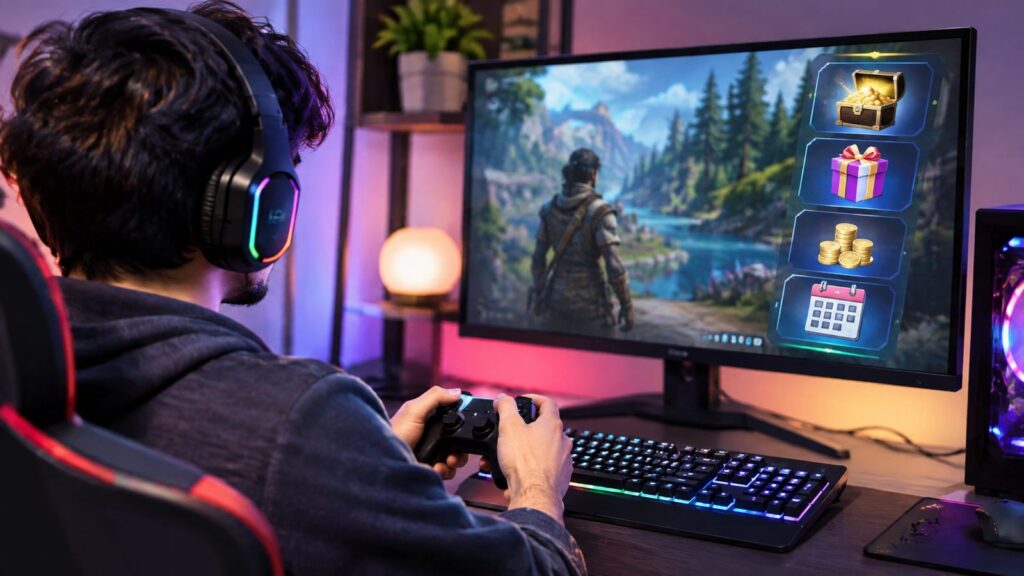
Time pressure is one of the most common complaints. Limited events and expiring rewards can make players feel they must log in regularly. Entertainment starts feeling like a schedule when progression demands become excessive. Spending can also become harder to track. A $10 purchase may seem small, but repeated passes and cosmetic purchases add up. Parents and younger players should pay particular attention to saved payment methods and virtual currencies. Constant change creates another problem. A favorite weapon, map, character, or strategy may behave differently after an update. Players who return after several months can sometimes feel as though they are learning the game again. The largest long-term risk is dependence on continuing support. Servers require money and staff to operate. If support ends, parts of the experience may disappear or stop evolving.
Why Some Ongoing Games Fail
Competition for attention is fierce because one player has limited free time. A new multiplayer release is not competing only with games launched that month. It may compete against established titles with years of content and strong communities. A weak content schedule can make that problem worse. Players can exhaust launch content before the next meaningful update arrives. Once a group moves to another game, bringing everyone back becomes difficult. Aggressive monetization can also damage trust. Players notice when progression appears designed around spending rather than enjoyment. Clear prices and meaningful free content usually feel fairer than confusing currencies or constant sales pressure. Technical reliability matters just as much as content. Server outages, cheating, poor matchmaking, and serious bugs can undermine otherwise strong gameplay. Long-term success requires dependable operations alongside creative updates.
How to Decide Whether One Is Worth Your Time
Start by asking whether you enjoy the core gameplay without relying on future promises. A roadmap cannot rescue combat, movement, progression, or social systems you already dislike. The base experience should earn your attention first. Next, check how the game handles spending. Look at battle-pass prices, premium currencies, expansions, subscriptions, and cosmetic stores. Decide what a normal year would cost under your likely playing habits. Finally, consider the time commitment. Seasonal objectives work well for players who enjoy regular routines. They suit you less if you prefer finishing games once and moving on.
What the Model Means for the Future of Gaming
The service model is unlikely to replace traditional releases entirely. Story-driven adventures, strategy games, indie projects, and many single-player experiences still work well as finished products. Players continue to value games that respect a clear beginning and ending. Ongoing titles will remain important because successful ones can build lasting communities. They also give publishers a reason to support one product for many years. The difficult part is earning enough player attention to sustain that cycle. For players, the healthiest approach is selective. You do not need to follow every season or complete every reward track. Choose games whose core experience remains enjoyable even when you ignore the pressure to keep up.
Frequently Asked Questions
What are live service games?
Live service games receive continuing content, operational support, and updates after release. They often use seasons, events, progression systems, or recurring purchases to keep players engaged. The exact structure varies widely between genres and platforms.
Are all of them free to play?
No, free access is only one possible business model. Some titles require an upfront purchase and later sell expansions or cosmetic content. Others combine subscriptions, passes, or optional digital purchases.
Is a battle pass required?
Not usually, because many games provide a free reward track or normal gameplay without one. A paid pass generally adds extra rewards tied to a season. You should check each game’s rules before purchasing.
Are these games always online?
Many depend heavily on online servers, accounts, and matchmaking. Some may still offer limited solo features or modes. Their long-term value can therefore depend on server availability and publisher support.
What happens when support ends?
The outcome depends on the publisher and the game’s technical design. A title may stay playable with fewer updates, lose certain online features, or eventually shut down. Players should not assume a digital service will operate forever.
A Smarter Way to Approach Ongoing Games
Treat an ongoing game as entertainment, not as an obligation. Judge the gameplay you can access now before trusting future roadmaps. Set spending limits before seasonal stores and premium currencies begin influencing your choices. The strongest services earn repeat play through enjoyable updates and healthy communities. The weakest depend too heavily on urgency, repetition, or spending pressure. Knowing the difference helps you protect both your time and your gaming budget. —